Table of Contents
- Introduction: A New Era of Trading
- Automated Algorithmic Trading: The Basics
- Reducing Trade Execution Time
- Eliminating Human Error
- Leveling the Playing Field
- Conclusion: The Future is Algorithmic
Introduction: A New Era of Trading
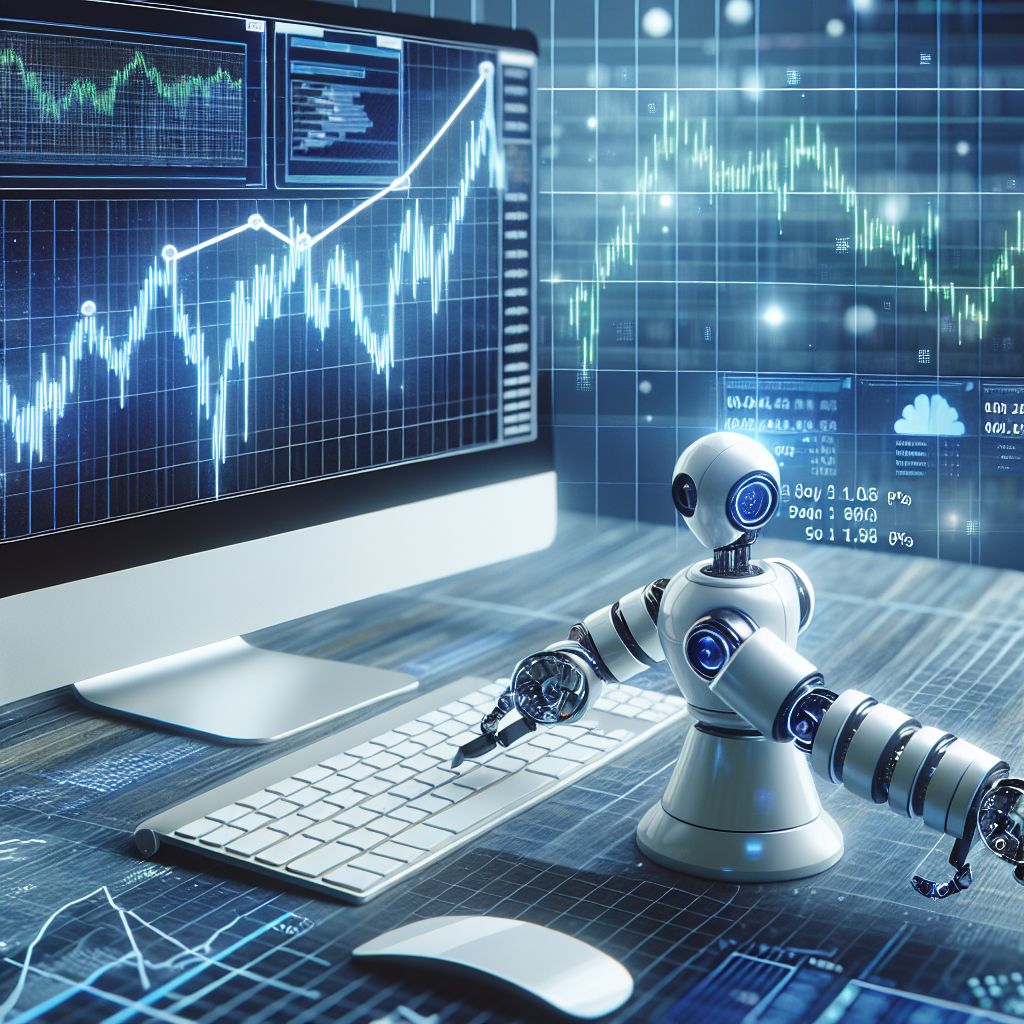
Automated algorithmic trading is revolutionizing the financial markets, providing traders with a powerful tool to maximize profits and minimize losses. It’s a technology-driven strategy that uses mathematical models and algorithms to execute trades at high speed and with incredible precision. This new era of trading is significant for three reasons: it reduces trade execution time, it eliminates human error, and it provides a more level playing field.
• Automated algorithmic trading reduces trade execution time, enhancing profitability.
• It eliminates human error, offering a more reliable and efficient trading strategy.
Automated Algorithmic Trading: The Basics
At its core, automated algorithmic trading involves creating specific pre-programmed instructions to execute trades. These instructions are based on variables like price, volume, and time. The algorithms analyze market conditions in real-time and make quick decisions on whether to buy or sell. This speed and efficiency can give traders an edge, allowing them to capitalize on fleeting market trends that human traders might miss.
Reducing Trade Execution Time
One of the key benefits of automated algorithmic trading is its speed. In a market where milliseconds can mean the difference between profit and loss, the ability to execute trades quickly is crucial. With algorithmic trading, trades are executed almost instantaneously, reducing the ‘slippage’ that can occur when prices change between the time a trade is placed and the time it’s executed. This speed can help traders secure the best possible price, maximizing their profits.
Eliminating Human Error
Automated algorithmic trading removes the human element from the trading process, reducing the potential for error. Manual trading can be influenced by a range of factors, from simple mistakes to emotional decision-making. With algorithmic trading, the trading decisions are based solely on the pre-programmed algorithms, removing the risk of human error and providing a more reliable and efficient trading strategy.
Leveling the Playing Field
Perhaps one of the most significant benefits of automated algorithmic trading is that it levels the playing field. In the past, high-frequency trading was reserved for institutional traders with access to advanced technology. However, algorithmic trading has democratized the process, making it accessible to individual traders. This opens up new opportunities for traders of all levels to maximize their profits and compete with larger players in the market.
Conclusion: The Future is Algorithmic
Automated algorithmic trading represents a significant shift in the financial markets. With its ability to execute trades at lightning speed, eliminate human error, and level the playing field, it’s a powerful tool for traders looking to maximize their profits. As technology continues to advance, the role of algorithmic trading in the financial markets is set to grow, reshaping the trading landscape for years to come.
With the rise of algorithmic trading, there is an increasing need for individuals and institutions involved in the financial markets to adapt. Traders, brokers, and financial analysts are required to develop new skills and knowledge to keep up with the evolving trading environment. This includes understanding the intricacies of complex algorithms, the ability to interpret vast amounts of data quickly, and the capacity to make swift decisions based on that data. Essentially, the human role in trading is shifting from execution to oversight and strategic decision-making.
Algorithmic trading also presents several challenges that need to be addressed. While it offers increased efficiency and reduced costs, it can also lead to high volatility and systemic risks if not properly managed. For instance, a poorly designed algorithm could execute trades at an inappropriate rate, destabilizing markets. It is also vulnerable to hacking and other forms of cybercrime, making security a significant concern. Therefore, the development and implementation of robust risk management systems and regulatory frameworks are crucial to ensuring the stability and integrity of financial markets in the era of algorithmic trading.
Despite these challenges, the benefits of algorithmic trading are undeniable. It facilitates more efficient and transparent trading, allowing for greater market liquidity and tighter spreads. Moreover, it offers the potential for more sophisticated trading strategies based on machine learning and artificial intelligence. This technology-driven approach to trading is not only transforming the financial industry but also shaping the future of global finance. As we move forward, it will be fascinating to see how algorithmic trading continues to evolve and what new opportunities and challenges it presents.
One of the most anticipated advancements in algorithmic trading is the integration of machine learning and artificial intelligence (AI). Technological giants and startups alike are investing heavily in this area, aiming to leverage the predictive power of AI to make more accurate and profitable trading decisions. This goes beyond simple pattern recognition; AI has the potential to analyze vast amounts of data, much more than any human trader could manage, and learn from it to predict future market movements. It could also adapt in real-time to changing market conditions, making it highly responsive and effective.
However, the introduction of AI into algorithmic trading also brings with it a host of challenges. For one, there are significant ethical considerations around the use of AI in financial markets. There are questions about transparency, accountability, and the potential for AI to exacerbate market volatility or even manipulate it. These issues highlight the need for robust regulatory frameworks and oversight.
Another challenge is the technical complexity of integrating AI into trading algorithms. This requires a high degree of expertise and resources, which might be a barrier for smaller firms. Additionally, as AI models become more complex, they can become more difficult to understand and control, potentially leading to unpredictable outcomes.
Despite these hurdles, the potential benefits of AI in algorithmic trading are too great to ignore. With the right approach, it could revolutionize the way trading is done, making it more efficient, accurate, and profitable. But as with any disruptive technology, it will be crucial to navigate the risks and challenges carefully to ensure a sustainable and fair financial market.
To conclude, the future of algorithmic trading is exciting and full of possibilities. As technology continues to evolve, it will undoubtedly reshape the landscape of global finance. The integration of AI and machine learning into algorithmic trading could potentially bring about a new era of financial innovation, but it also poses significant challenges that need to be addressed. It is a journey that the financial world is eager to embark on, and one that will define the future of trading.